

Medically Reviewed by Dr. Michael Moulton, DMD on September 11, 2026
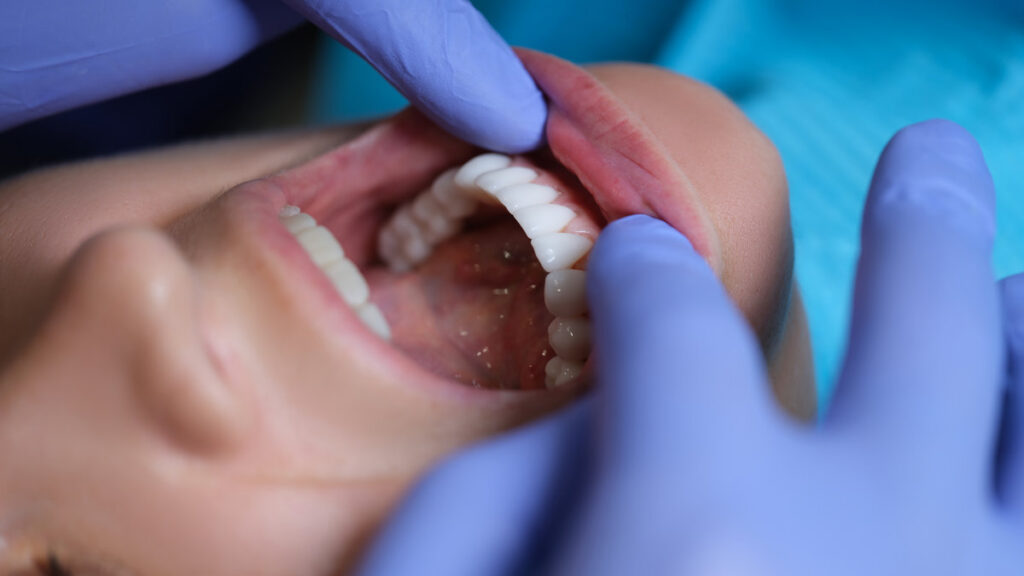
Composite bonding is one of the most accessible cosmetic dental treatments available, using tooth-colored resin to repair chips, cover staining, fill gaps, and reshape teeth, often in a single appointment without drilling or anesthesia. For patients who have spent years putting off cosmetic work because they assumed it meant high cost or permanent changes to healthy teeth, bonding is frequently the straightforward option they did not know existed.
At Lexington Family Smiles, our team offers composite dental bonding as part of a full range of cosmetic dentistry services tailored to patients of all ages. Whether you are dealing with a single chipped tooth or looking to improve the overall balance of your smile, a consultation helps us determine whether bonding is the right fit for your goals. We take the time to understand what matters most to you and walk you through every option without pressure.
How Composite Bonding Works
The procedure involves applying a tooth-colored composite resin directly to the tooth surface. According to the Cleveland Clinic, dental bonding can hide chips or cracks, fill in gaps, and camouflage tooth discoloration, typically within a single office visit. Your dentist selects a resin shade matched closely to your natural tooth color, then applies, sculpts, and polishes the material until it blends naturally with the surrounding teeth.
One of the biggest advantages of composite bonding is how little preparation it requires. In most cases, there is no need to remove healthy tooth structure, and the appointment typically takes under an hour per tooth. The tooth surface is gently conditioned to help the resin adhere, and once it is cured under a special light, the result looks and feels like a natural part of your smile. For patients who have been hesitant about cosmetic dentistry, bonding is often the easiest entry point.
What Composite Bonding Can Address

Bonding is a versatile treatment that covers a wider range of concerns than many patients expect. Some of the most common issues it can resolve include:
- Chipped or cracked teeth from injury or everyday wear
- Small gaps or spaces between teeth
- Discoloration that whitening alone cannot correct
- Teeth that appear too short, narrow, or uneven in shape
- Minor surface irregularities affecting the overall balance of your smile
Many patients have lived with these concerns for years, assuming there was no simple solution. Bonding addresses most of them in one comfortable appointment with lasting, natural-looking results.
Caring for Bonded Teeth
Composite resin is durable, but it is more porous than natural enamel and can pick up stains from coffee, tea, red wine, and tobacco over time. Brushing twice daily, flossing, and keeping up with routine dental exams and cleanings help bonded teeth stay looking their best for as long as possible. We also recommend avoiding habits like nail biting, chewing on ice, or using your teeth as tools, since bonded edges can chip more easily than porcelain restorations.
If a bonded tooth does chip or dull over time, the repair is usually simple. Unlike a crack in a porcelain veneer, a small area of composite resin can typically be touched up or resurfaced in a single visit, which is one of the reasons many patients appreciate bonding as a low-commitment starting point for cosmetic work.
Getting Your Mouth Ready for Bonding
Composite bonding is a cosmetic treatment, so it works best once any underlying dental issues are addressed first. If a tooth has an active cavity, cracked filling, or gum concern near the area you want to improve, our team typically resolves that issue before applying bonding, since resin does not bond reliably to decayed or unhealthy tooth structure. For most patients, this simply means a routine exam and cleaning ahead of the cosmetic appointment, and many bonding visits are scheduled directly after that checkup.
Is Composite Bonding Right for You?
Whether bonding is the best fit depends on the nature of your concerns, the condition of your teeth, and what you are hoping to achieve. Most patients fall into one of two situations.
When Bonding Is a Strong Fit
Bonding tends to work best for patients with mild to moderate cosmetic concerns affecting one or a few teeth. It is an excellent option for those who want visible improvement without committing to a more involved treatment or a higher upfront cost. Because it does not require enamel removal in most cases, it is also a popular starting point for patients considering porcelain veneers down the road who want to explore a lower-commitment option first.
When a Different Approach May Work Better
For patients with more extensive concerns across multiple teeth, or those who prioritize long-term durability above all else, a more comprehensive smile makeover may provide a better overall outcome. Composite bonding typically lasts between three and ten years, depending on placement, bite pressure, and daily care habits, while porcelain veneers and crowns generally hold up longer but involve a larger initial investment and, in the case of veneers, some removal of enamel. Our team walks you through the full picture during your consultation so you can choose the option that genuinely fits your goals and your lifestyle.
Composite Bonding Compared to Porcelain Veneers
Patients often ask how bonding stacks up against veneers, since both can address similar cosmetic concerns. Bonding is applied directly to your existing tooth in a single visit and generally costs less per tooth, but it is more prone to staining and chipping over its lifespan and typically needs more frequent maintenance. Veneers require two visits and a small amount of enamel removal for a custom, lab-fabricated shell, but they tend to resist staining better and can last longer with proper care. Neither option is universally better. The right choice depends on how many teeth are involved, your budget, and how much long-term durability matters to you, which is exactly what your consultation is designed to sort out.
Schedule Your Consultation at Lexington Family Smiles
Our team at Lexington Family Smiles has been providing cosmetic dentistry to families in Lexington, SC, for more than a decade, with a comfort-first philosophy and a calming environment designed to put even the most hesitant patients at ease. We use advanced technology, including our Shining 3D Scanner and digital X-ray sensors, to deliver precise, efficient care, and Dr. Moulton’s membership in both the South Carolina Dental Association and the American Dental Association reflects our commitment to practicing at a high standard. From a child’s first cleaning to advanced cosmetic work for adults, we offer care for every stage of life.
Our Dental Savings Plan offers a flexible, insurance-free way to access the cosmetic care you want with more predictable costs. Contact our office to schedule your consultation and find out whether composite bonding is the right step toward the smile you have been looking for.
Frequently Asked Questions About Composite Bonding
How Long Does Composite Bonding Last?
Composite bonding typically lasts between three and ten years, depending on where the bonding is placed, how much bite pressure it takes on, and how well you care for it. Bonding on front teeth used for biting into food tends to wear faster than bonding on less active surfaces. Regular dental exams let your dentist catch early signs of wear before they become a bigger issue.
Does Composite Bonding Stain Like Natural Teeth?
Composite resin is more porous than natural enamel, so it can pick up staining from coffee, tea, red wine, and tobacco more easily over time. Unlike natural teeth, bonded areas cannot be whitened with bleaching products once they have picked up color. Keeping up with brushing, flossing, and routine cleanings helps bonded teeth stay looking their best for longer.
Is Composite Bonding Painful?
Most patients feel little to no discomfort during composite bonding, since the procedure typically does not require drilling into the tooth or numbing the area. You may notice mild sensitivity to hot or cold temperatures for a day or two afterward while the tooth adjusts, but this usually resolves quickly on its own.
Can Composite Bonding Be Removed or Reversed?
Because bonding does not usually require removing healthy tooth structure, it can generally be removed or replaced without permanently altering the tooth underneath. This is one of the reasons many patients choose bonding as a lower-commitment way to test a cosmetic change before considering a more permanent option like veneers.
Is Composite Bonding Cheaper Than Veneers?
Bonding is generally more affordable per tooth than porcelain veneers, since it is applied directly in one visit without a custom lab-fabricated shell. The tradeoff is that bonding typically needs more frequent maintenance and is more prone to staining and chipping over its lifespan. Your consultation is the best place to compare exact costs for your specific situation.
About the Author
Lexington Family Smiles
Dr. Moulton has practiced dentistry for 17 years, including 13 years at Lexington Family Smiles, after earning his DMD from the Medical College of Georgia and completing an Advanced Education in General Dentistry residency through NYU Langone Dental. He is a member of the American Dental Association and the South Carolina Dental Association.